








Upleveling Commercial Excellence Through Sales Enablement
Tl;dr
- Understanding Sales Enablement: Definition and its importance in achieving commercial excellence.
- Components of Sales Enablement: Key elements include content management, training, and technology integration.
- Implementing Sales Enablement: Strategies involve assessing the current sales process, defining objectives, choosing the right tools, and integrating new systems.
- Measuring Success: Tracking key metrics and analyzing performance data to ensure effectiveness.
- Conclusion: Emphasizes the need for a strategic approach to enhance sales team performance and drive revenue.
Introduction to Sales Enablement
The Concept of Sales Enablement
Sales enablement is more than just a buzzword — it’s a game-changer for companies striving for commercial excellence. But what does it really mean? Simply put, sales enablement is the strategic process of providing sales teams with the tools, content, and training they need to be more effective. It’s all about aligning your sales and marketing efforts to drive revenue and improve overall performance.
Importance in Commercial Excellence
Commercial excellence isn’t just about hitting sales targets; it’s about creating a high-performing sales team that consistently delivers value, building that “winning locker room” where all members achieve quota. Sales enablement plays a crucial role here, ensuring that your team is not only well-equipped but also strategically aligned with your company’s goals. By enhancing their skills and providing them with the right tools, you’re setting the stage for greater success.
Key Components of Sales Enablement
Content Management
Content is king and queen in the realm of sales enablement. Your sales team needs access to relevant, high-quality content that can help them address customer pain points and close deals. This includes everything from case studies and whitepapers to product brochures and demo scripts. Efficient content management systems (CMS) ensure that your team can easily find and use the right materials at the right time. Additionally, as marketing teams produce large quantities of content, it’s imperative to properly track their usage and effectiveness to calculate business ROI.
Training and Development
Training isn’t a one-time event; it’s an ongoing process. Regular training sessions help keep your sales team up-to-date with the latest sales techniques, product updates, and market trends. Development programs should be tailored to address the specific needs and challenges faced by your sales force, ensuring that they’re continuously improving their skills. Proper training and coaching also ensures sales teams are educating customers and prospects on your business values, while staying ahead of competitors.
Technology Integration
In today’s digital age, technology is a crucial part of sales enablement. From CRM systems to dedicated sales enablement platforms, the right technology can significantly enhance your sales team’s efficiency and effectiveness. The right enablement program isn’t meant to disrupt your existing technology stack but to blend into your structure, ensuring limited downtime, less tab switching, and faster time to value.
CRM Systems
Customer Relationship Management (CRM) systems are the backbone of sales enablement. They help track interactions with customers, manage sales pipelines, and analyze data to make informed decisions. A well-integrated CRM system can provide valuable insights and help streamline the sales process.
Sales Enablement Platforms
Sales enablement platforms are specialized tools designed to support sales teams with everything from content management to analytics. These platforms offer features like content libraries, training modules, and performance tracking all in one place. Choosing the right all-in-one solution will not only uplevel your commercial excellence but ensure your business achieves greater return on investment.
Strategies for Implementing Sales Enablement
Assessing Your Current Sales Process
Before you can enhance your sales enablement efforts, it’s important to understand your current sales process. This involves analyzing your existing practices, identifying gaps, and determining areas for improvement. A thorough assessment will provide a solid foundation for developing a more effective sales enablement strategy.
Defining Clear Objectives
Establishing clear, measurable objectives is crucial for any sales enablement initiative. What are you aiming to achieve? Whether it’s improving win rates, shortening sales cycles, or increasing average deal size, having specific goals will help guide your strategy and measure success.
Choosing the Right Tools
The tools you choose will play a significant role in the success of your sales enablement efforts. Evaluate various options and select tools that best fit your needs. Consider factors such as ease of use, integration capabilities, and scalability.
Evaluating Vendors
When selecting sales enablement tools or platforms, it’s important to evaluate potential vendors thoroughly. Look for providers with a proven track record, strong customer support, and a product that aligns with your business needs. Always review case studies and ask for references to ensure you are choosing the right solution for your specific needs.
Integration with Existing Systems
Ensuring that new tools and technologies integrate smoothly with your existing systems is crucial. This helps avoid disruptions and ensures that your sales team can seamlessly adopt new processes without facing significant hurdles.
Measuring Success in Sales Enablement
Key Metrics to Track
Some important metrics to track include sales productivity, content utilization, training effectiveness, and overall revenue impact. By monitoring these metrics, you can assess the effectiveness of your sales enablement efforts and make data-driven decisions.
Analyzing Performance Data
Regularly analyzing performance data helps identify trends, assess the impact of different strategies, and make necessary adjustments. This continuous improvement approach ensures that your sales enablement efforts remain aligned with your commercial excellence goals.
Conclusion
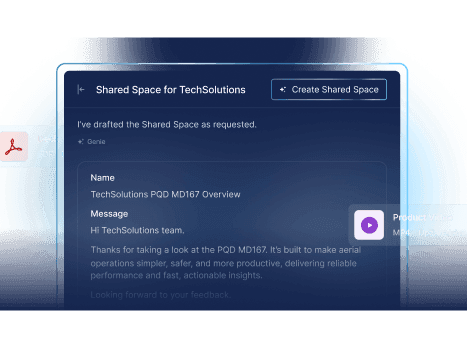
Upleveling commercial excellence through sales enablement is a multifaceted approach that requires careful planning and execution. With Showpad eOS, an all-in-one AI-powered solution, marketing and revenue teams can come together to empower sellers, build trust, and win deals. By focusing on key components like content management, training, and technology integration, and employing effective strategies and metrics, you can significantly enhance your sales team’s performance. The goal is to create a sales environment that not only empowers your team to succeed but also drives tangible results for your business.
Frequently Asked Questions
| What is sales enablement? | |||
|---|---|---|---|
|
The Sales enablement is the process of equipping sales teams with the tools, content, and training they need to engage effectively with prospects and customers. |
|||
| Why is sales enablement important for commercial excellence? | |||
|
It aligns sales and marketing efforts, improves team performance, and drives revenue growth by providing sales teams with the resources and knowledge needed to succeed. |
|||
| What are the key components of sales enablement? | |||
|
Key components include content management, training and development, and technology integration such as CRM systems and sales enablement platforms. |
|||
| How do I implement a sales enablement strategy? | |||
|
Start by assessing your current sales process, defining clear objectives, choosing the right tools, and ensuring seamless integration with existing systems. |
|||
| What metrics should I track to measure success in sales enablement? | |||
|
Key metrics include sales productivity, content utilization, training effectiveness, and overall revenue impact. Analyzing these metrics helps assess the effectiveness of your sales enablement efforts. |
|||
Interested to learn more about how sales enablement can benefit your business?
Speak to a specialist today.