







Enterprise Sales and Marketing Alignment
Enterprise sales and marketing alignment is achieved when communication, strategy, and goals are unified. Working together, aligned teams can deliver high-impact marketing activities, boost sales effectiveness, and ultimately grow revenue. For enterprise sales efforts to be productive, it’s critical that salespeople have the training, context, and guidance they need to successfully engage customers.

Why is Enterprise Sales and Marketing Alignment Important?
There are many organizational and business challenges that Enterprise Sales and Marketing alignment can help solve. Here are a few examples:
- Unreliable customer data and feedback
- Unused sales content
- Botched lead handoffs
- Lack of transparency into value of marketing content
Ultimately, the goal of enterprise sales and marketing alignment is to align the interdependent elements of sales, marketing, customer support, product management, brand management, legal, and human resources to boost seller productivity and improve the buyer experience.

How to Achieve Enterprise Sales and Marketing Alignment
Now that the importance of Enterprise Sales and Marketing alignment has been established, how can you take the next step in achieving it in your organization? Here are a few places to look at first:
- Secure Leadership buy in and engagement is critical
- Share the goals for each team
- Formalize regular strategy meetings that include performance updates
- Agree on the process and implement a sales enablement platform
New Market Demands Impact Enterprise Sales Productivity
It is also important to monitor and evolve with changes in market demand. Today’s successful salesperson needs to engage buyers who expect a sophisticated, consultative, and technology-enabled sales process. A successful consultative seller needs to negotiate data deals, leverage relationship analytics, and attend industry events. The quintessential 21st century B2B consultant seller should:
Take an omnichannel approach
Today’s business consumers want to interact with sellers in meaningful and personalized ways, and they want a contextually relevant and positive experience across all of their preferred channels. It’s important for the sales teams to work with marketing to create tailored content that’s relevant for each stage of the funnel so that salespeople engage with purpose and meaningful insight.
Be empathetic and trustworthy
While machines can never foster trust or empathy, they can alleviate B2B sellers’ time constraints. With more time in their day, sellers can develop a deeper understanding of stakeholders’ roles and business challenges, build trust, and project more empathy. In the financial services world, for example, trust is paramount. The ideal consultative seller is someone who can build trust by using the buyers’ preferred channels and by sharing content that speaks to them.
Be quick and nimble decision makers
The consultant seller must consume and process data to learn about buyers’ affiliations, challenges, and objectives and make informed decisions. The sales consultants of the future will “have a dashboard that will notify them of different buyer activities across the life cycle and will serve up recommendations for prioritization and triage.” These sellers will process and evaluate that information and then quickly decide how to execute.
Engage in strategic collaboration
Internally B2B sellers will partner with data scientists to identify patterns that help uncover additional revenue streams and will partner with marketers to increase the level of personalization of their messaging. Externally with prospects and customers, they will collaborate around initiatives and objectives, using shared metrics of success, and will co-create proposals, business cases, and account reviews.
What is the importance of Enterprise sales enablement?
Aligning your sales and marketing team is not the only critical component of a successful business organization. Sales enablement plays a critical role in developing your enterprise sales organization beyond a few top achievers. Enterprise sales enablement provides all salespeople with the best practices, knowledge, tools, and resources required to be successful. An overwhelming majority of organizations experience significant growth in their sales as a result of enterprise sales enablement. What’s more, organizations with sales enablement achieve a far better win rate on their forecasted deals, compared to businesses without it.
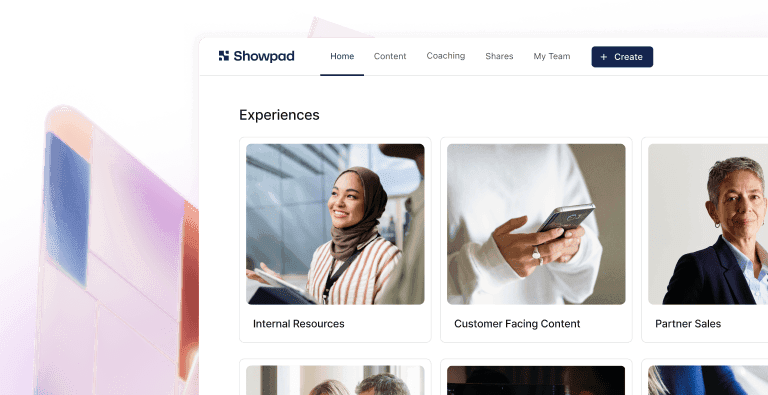
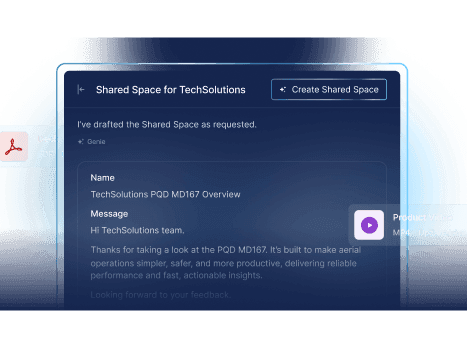
The importance of enterprise sales enablement comes down to the fact that salespeople are more likely to succeed in closing deals if they have the necessary tools, knowledge, practice, and resources. Showpad’s sales enablement platform helps sales and marketing teams collaborate efficiently to produce the content buyers need. The platform centralizes all sales collateral so it’s easy to access, update and share materials. Powerful analytics identify the most impactful content so marketing can focus on producing only the best, most relevant content for sales. This can result in a 25% increase in productivity. Forrester analyzed the costs associated with Showpad (including licensing, training and implementation) against the platform’s benefits over the course of three years. They found the platform shows a return on investment of 516%.
Want to learn more about Showpad?
Contact us for a personal assessment of your enablement journey.