







How to Ask for the Sale
Closing the sale, is asking for the sales. And theoretically, this should be the easiest part of selling. After all, it’s the natural culmination of a productive sales “conversation.” Your sales person has helped the B2B buyer define their problem and has proposed a sound product offering as the solution to the buyer’s problem. So why do sales people sometimes find asking for the sale so difficult? Even people with excellent selling skills can be reluctant to outright ask for the sale. This reluctance can suppress your business success – and send a promising sales career off the rails.

Why Are Sales People Reluctant to Ask for the Sale?
Here are the most common reasons for reluctance your sales people might feel in asking for the sale:
Fear of Rejection – The most common reason sales professionals are reluctant to ask for the sale is a fear of rejection. Quite simply, no one likes rejection. That said, when a B2B buyer says no, what it means is that the buyer doesn’t want your product or service right now. Truly, it’s not a personal rejection.
Lack of Confidence in the Solution – Some salespeople are reluctant to ask for the sale because they lack confidence in their own solution. For example, a salesperson might convince themselves that there is no difference between their own product and a lower-priced competitor, or even that the competitor’s solution is superior.
Fear of Jeopardizing the Relationship – Strong business relationships are the very foundation of successful selling. A strong relationship increases a salesperson’s influence because the buyer respects their experience and advice. But salespeople can confuse strong business relationships with friendship. When that happens, salespeople might feel reluctant to ask for the sale because they fear that doing so will jeopardize the relationship with the customer.
In reality, nothing could be further from the truth. According to the Harvard Business Review, buyers expect three fundamental deliverables from a salesperson: product and industry expertise, professionalism and for the salesperson to ask them to take a specific action – to ask for the sale. Remember, the buyer knows that a person is a sales professional and that their job is to ask for a commitment. The buyer is expecting to be asked for the sale.
How to Ask for the Sale
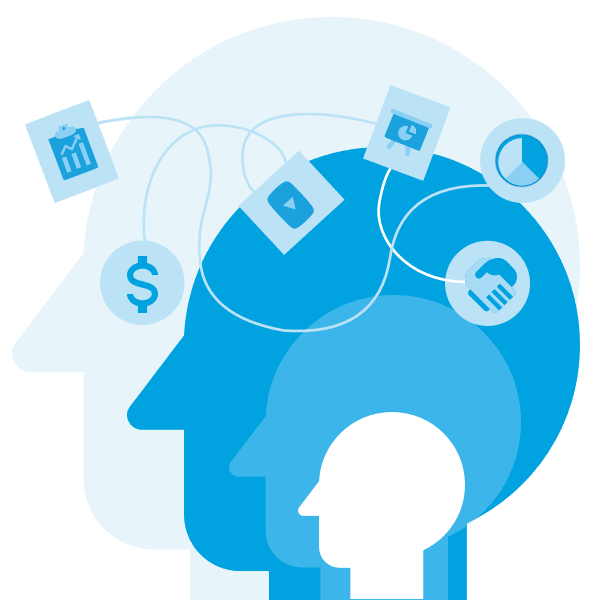
We need to tackle the emotional reasons for reluctance to ask for the sale. And you also need to equip your sales people with closing techniques that need to become second nature. Here are a few especially effective closing techniques:
IQ Close – this is the smart choice
1-2-3 Close – closing on the principle of 3
Summary Close – Tell the customer all the things they are going to receive
Building the Yeses – get the customer saying yes – culminating in yes to the deal
Alternate Close – Would you like it purple or green?
Assumptive Close – When shall we deliver it for you?
What is sales enablement?
In a nutshell, sales enablement means equipping sellers with the right resources to shorten the sales cycle, increase win rates, and sign bigger deals. Sales enablement, as a function, evolved in response to the evolution of the B2B buyer. With a wealth of information available online, B2B buyers are in more control of the buying process than ever before. In many cases, B2B buyers can be more than halfway through their journey before they reach out to a seller.
What does this mean? It means that sellers must take the initiative to reach out to buyers, winning the buyers’ attention much earlier in their journey. This is a task typically associated with marketing. So, sellers need to think more like marketers, and marketers need to think more like sellers – about the day-to-day experiences of buying and selling.
Sales enablement is providing customer insights, content and coaching to your sales team throughout the enterprise selling process. Sales enablement is the process of providing your sales team with the resources they need to close more deals. These resources may include content, tools, knowledge, and information to effectively sell your product or service to customers.
Ultimately, the goal of sales enablement is to align the interdependent elements of sales, marketing, customer support, product management, brand management, legal, and human resources to boost seller productivity and improve the buyer experience. In a nutshell, sales enablement strategy is to provide salespeople with what they need to successfully engage the buyer throughout the buying process.

What is the importance of sales enablement?
Sales enablement plays a critical role in developing your sales organization beyond a few top achievers. Sales enablement provides all salespeople with the best practices, knowledge, tools, and resources required to be successful.
An overwhelming majority of organizations experience significant growth in their sales as a result of sales enablement. What’s moreso, organizations with sales enablement achieve a far better win rate on their forecasted deals, compared to businesses without it.
The importance of sales enablement comes down to the fact that salespeople are more likely to succeed in closing deals if they have the necessary tools, knowledge, practice, and resources.
How can Showpad Make Your Sales Closes Stronger?
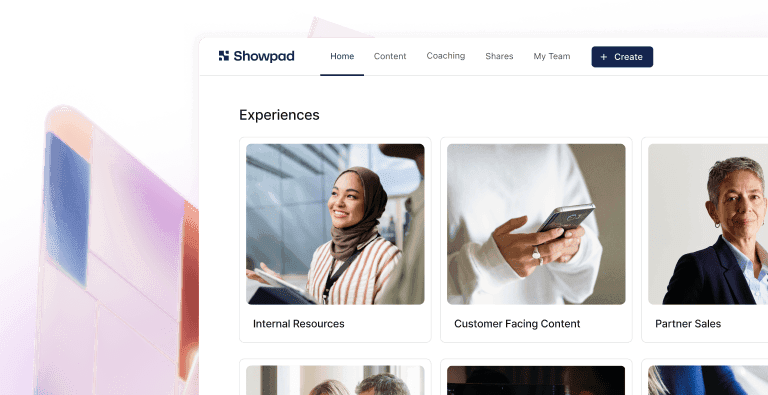
Showpad will support your current needs and future growth because we help prepare sellers by making it easy to find the latest on-brand content in a central location for every opportunity. Showpad also supports sales onboarding, training, and coaching to maximize teams’ productivity, increase active selling time, and accelerate sales rep onboarding time.
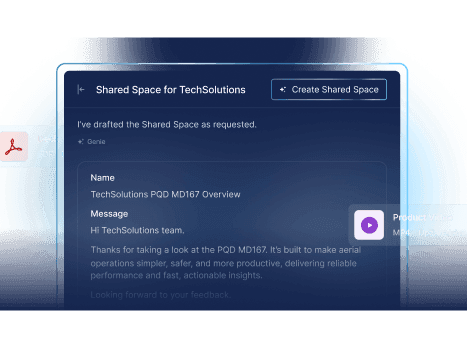
- Sellers can more effectively engage buyers by leveraging Showpad to more efficiently prepare for and personalize sales presentations. Sellers can easily share the most relevant content with buyers from any device and collaborate with all stakeholders in one branded location
- By tracking their buyer’s level of interest through Showpad insights, sellers can optimize their performance, shorten their sales cycles, and have increased visibility into buyer intentions
- Sales leaders can identify and replicate their top sellers’ behavior to scale success, decreasing the overall long-term cost of sales
- Marketing can leverage our bottom of funnel insights and buyer insights helping marketing identify the content and experiences that engage buyers and drive revenue
- Administrators can support content management and distribution of content as well as sales training efforts at scale from one unified platform, decreasing the administrative burden of launching and maintaining a Sales Enablement program
Want to learn more about Showpad?
Contact us for a personal assessment of your enablement journey.