








Marketing builds the assets, writes the plays, and designs the campaigns. Then it all disappears into the library, and no one can say whether any of it helped close a deal. That’s the content attribution problem: you can’t trace which assets sellers shared in a deal, or whether they influenced the outcome. Here’s why content so often never reaches the deal, how most teams measure it today, and what works better: a library that stays healthy on its own, content that shows up in the seller’s workflow, and engagement tied to the deals it helped win.
You built the content. Can you prove it moved a deal?
Marketing’s work shows up in the field, but rarely in the forecast. A launch asset gets published, and the window has often moved by the time sellers find it. Some sellers can’t find it. Some don’t use it. Some pull last year’s version because it’s the one they remember.
Then the CEO asks whether the investment paid off.Without a way to trace what was shared, when, and whether it touched a deal, the honest answer is “we think so.” The spend gets questioned, the strategy gets guessed at, and the cycle repeats.
Buyers make the stakes higher. According to Forrester’s The State of Business Buying, 86% of B2B purchases stall, and 81% of buyers end up dissatisfied with the provider they choose. Content that is current, approved, and relevant to the buying committee is one of the few levers marketing controls over whether a deal keeps moving.
How most teams measure content attribution today.
Most marketing teams rely on four habits:
- Activity metrics. Views, downloads, and opens, reported monthly.
- Quarterly content audits. A manual review to find what’s outdated or duplicated.
- Feedback from sales. Asking sellers what they use and what they ignore.
- More content. Producing new assets to fill the gaps the audit uncovered.
Each habit measures something real, but none of them answer the question the CEO is asking. Views tell you someone clicked, not whether the click mattered. Quarterly audits surface expired and superseded assets months after sellers started using them. Localized versions multiply across regions, with no clear signal about which one is current. And feedback from sales is anecdotal, so marketing ends up optimizing for the loudest voice instead of the winning play.
So marketing gets credit for activity, while the CEO is looking for outcomes. For a step-by-step method, see how to measure sales content effectiveness and ROI.
How to connect content to deals won: keep it healthy, put it in the moment, and trace it to revenue.
Keep the library healthy as problems happen, not afterward. Expired, superseded, and misconfigured assets should surface the moment they appear, with a clear fix attached. The same goes for localized variants: group them, tag them by language, and make sure a seller in each market finds the version built for them. Marketing gets real-time visibility into library health against its own governance standards, without waiting on a quarterly report.
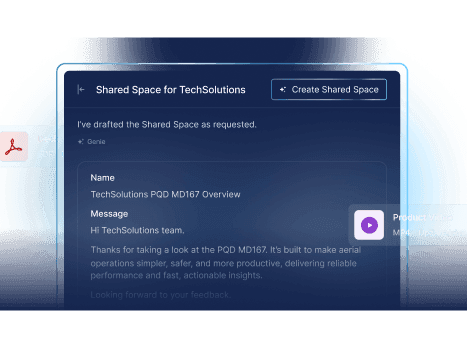
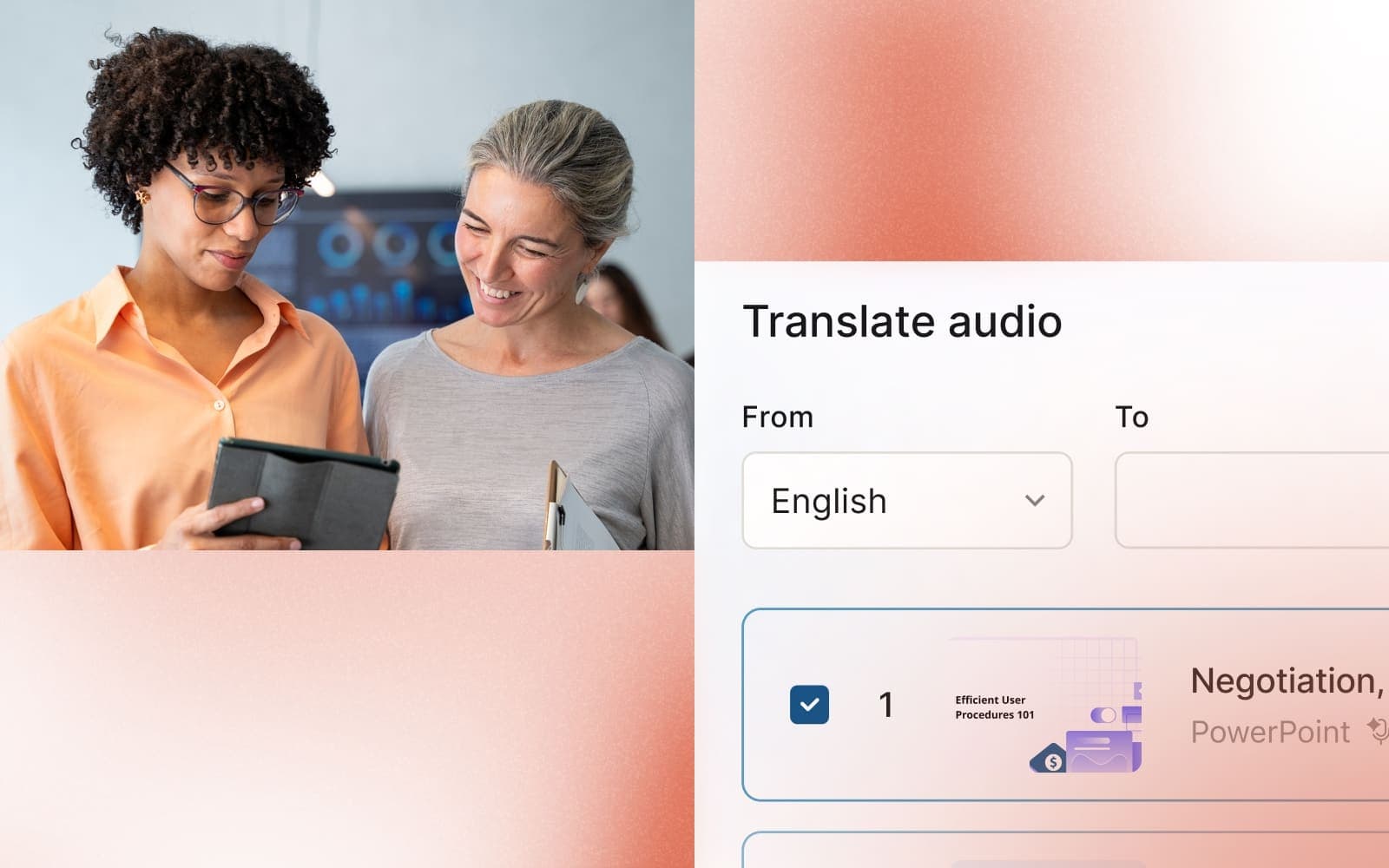
Put the right content in front of the seller at the moment of need. A seller preparing for a meeting shouldn’t search a library. The account brief should recommend the approved assets that fit the deal. When it’s time to share, one branded link with approved content beats a PDF attachment, and it shows which stakeholders opened what. Publishing speed matters too –f a deck can become a narrated, translated presentation in minutes instead of weeks, content reaches sellers while the opportunity is still live.
Trace engagement to the deal, then report it as revenue. Shares, views, and Shared Space activity should log to the opportunity automatically. From there, the question changes from “how many views?” to “which assets appeared in won deals, and which earned their place?” The answer should be a number, available without a custom BI project, and you should be able to ask for it in plain language: “Which content moved deals this quarter?”
What’s next for content attribution: Showpad’s Fall ’26 release.
Connecting content to deals won is one of three revenue effectiveness outcomes we’re announcing with our Fall ’26 release. Learn how Library AI, enhanced content authoring tools, and a new Analytics Dashboard that links the assets sellers shared to the deals they influenced help marketing leaders prove their impact. Check out these and more in our Fall Innovation Showcase.
Frequently asked questions
Trace what was shared, when, and whether it touched a deal. Shares, views, and Shared Space activity should log to the opportunity automatically, so the question changes from “how many views?” to “which assets appeared in won deals, and which earned their place?”
Not on their own. Views tell you someone clicked, not whether the click mattered. Tying engagement to the deals an asset appeared in shows which content earned its place.
Update or archive outdated assets surfaced in your day-to-day workflow, instead of waiting for a quarterly audit. Group localized variants and tag them by language so a seller in each market finds the version built for them.