








Trust is the most powerful currency in sales. Not price. Not product features. Trust.
71% of buyers say they’d rather purchase from a salesperson they trust than one offering the lowest price. Yet only 32% of buyers consider sellers to be trusted advisors.
That gap represents one of the greatest opportunities in modern selling. Closing it requires a deliberate shift, from transactional interactions to meaningful engagement rooted in a deep understanding of your buyers.
Understanding your buyers is the real competitive advantage
34% of salespeople say closing deals is getting harder. Buyers are more informed, more discerning, and more protective of their time. Sellers typically receive only about 5% of a customer’s total purchase time, which means every interaction carries enormous weight.
When sellers understand a buyer’s objectives, challenges, and priorities, the dynamic changes. Conversations become more relevant. Recommendations become more precise. And trust forms naturally, because the buyer feels seen and understood.
That’s where deals accelerate, and where lasting relationships begin.
The following framework will help you sharpen your approach, strengthen buyer relationships, and consistently win bigger deals.
Invest in market and persona research
Go beyond surface-level assumptions. Conduct surveys and interviews, analyze internal customer data, and develop detailed buyer personas that capture your buyers’ challenges, goals, motivations, and decision-making processes. Use these insights to refine your messaging and share them broadly across your organization so every team benefits.
Recommended action: Subscribe to at least three industry publications, newsletters, or podcasts relevant to your buyers’ world. Block 30 minutes each week to review them. Over time, this habit builds the contextual knowledge that sets trusted advisors apart from transactional sellers.
Map a guided selling framework to the customer journey
The best sellers don’t just respond to buyer needs. They anticipate them. Gather customer feedback and engagement data to identify the most effective tactics and touchpoints at each stage of the journey.
Recommended action: Develop a list of the five to ten most common questions buyers ask at each stage of the purchase process. Then map each question to a specific piece of content or a personalized talking point that moves them confidently toward a decision.
Learn from top performers
Your highest-performing reps hold valuable intelligence. Find out which assets they share with buyers, when they share them, and how they position them. These patterns reveal what resonates and can be scaled across your entire team.
The impact is measurable. Organizations that use sales coaching tools report an 8% increase in win rates and a 6% decrease in deals lost to no decision.
Recommended action: Schedule a 30-minute conversation with one of your team’s top performers this week. Ask them to walk you through their last three closed-won deals, specifically which content they shared, at what stage, and how they positioned it. Document the patterns and incorporate them into your own approach.
Align across revenue teams
Selling isn’t a solo endeavor. Align with marketing, customer success, and sales enablement to access the full depth of your organization’s knowledge and resources. Seek content recommendations by persona, industry, and deal stage to build a more informed, more effective strategy.
The data confirms it: cross-functional alignment is sales leaders’ number one tactic for driving growth.
Recommended action: Meet with your marketing and enablement counterparts regularly. Use the time for them to review new content, you to share what’s working in the field, and together identify gaps where additional resources could help move deals forward.
Use data to personalize every interaction
Take advantage of analytics to identify your top-performing content and understand what makes it effective at specific stages of the sales cycle. Then apply those patterns more broadly to strengthen your entire approach.
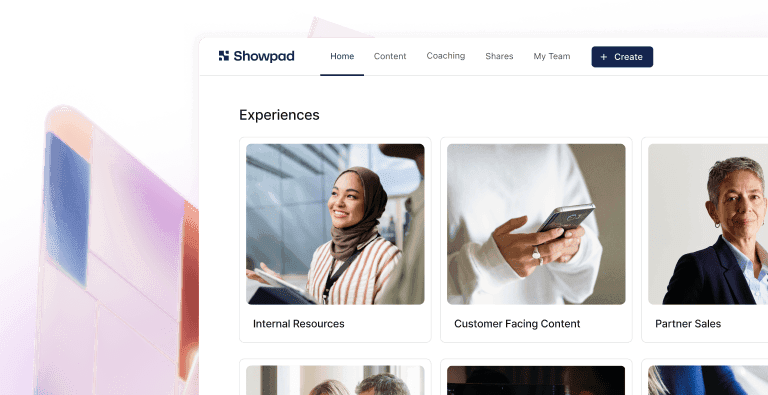
Recommended action: If you’re using an enablement platform like Showpad, pull your engagement analytics from the past 90 days. Identify the three pieces of content with the highest buyer engagement and analyze what they have in common: format, topic, and stage of the journey. Apply those insights to guide your content selection in active deals.
Stay engaged beyond the close
Closing the deal isn’t the end of the relationship. It’s the beginning of a new chapter. Provide ongoing value through proactive support, regular check-ins, and personalized recommendations informed by customer data.
80% of sales reps say maintaining customer relationships after the close is increasingly important. Sellers who show up consistently beyond the sale become trusted advisors, the kind buyers return to again and again.
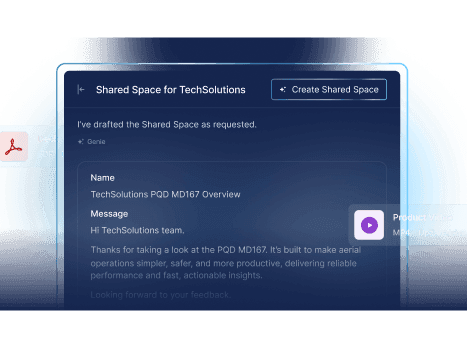
Recommended action: Extend your digital sales room beyond the close to serve as an ongoing collaboration hub with your customer. Use it to house a mutual action plan that outlines onboarding milestones, implementation timelines, and key success metrics. Continue adding relevant resources (training materials, product updates, best practices, and quarterly business review agendas) so your customer always has a single, organized destination for everything they need. This keeps engagement visible, accountability shared, and your role as a trusted advisor firmly established throughout the entire customer lifecycle.
Evaluate and upgrade your tech stack
Consider whether your current software tools give you visibility into buyer engagement across the entire customer lifecycle. The right enablement solution connects your sales and marketing teams, surfaces actionable insights, and creates the foundation for sustained revenue growth.
Recommended action: Conduct an audit of your current tech stack this quarter. For each tool, ask two questions: Does it help me understand how buyers are engaging with my content? And does it give me the insights I need to take action? If the answer to either is no, explore how an AI-native revenue effectiveness platform like Showpad can help.
Better buyer engagement isn’t built on a single tactic or tool. It’s the result of intentional, sustained effort across every stage of the customer journey — from the first conversation to long after the deal is closed. Apply these seven strategies consistently, and you’ll build the kind of trust that turns buyers into long-term partners.
Find the right enablement platform
Get practical advice, expert questions, and a framework to evaluate vendors and build your business case.

Frequently asked questions
Buyer engagement refers to the quality and depth of interactions between sellers and buyers throughout the purchase journey. It goes beyond simply presenting a product or service. It encompasses how well sellers understand buyer needs, how relevant and personalized each interaction is, and how effectively trust is built over time. Strong buyer engagement matters because it directly impacts win rates, deal velocity, and long-term customer loyalty. When buyers feel understood and supported, they are far more likely to move forward with confidence and become repeat customers.
Trust is built through consistent demonstration that you understand your buyer’s world. This starts with thorough research into their industry, challenges, and goals. From there, it requires showing up with relevant, personalized insights at every stage of the journey rather than relying on generic pitches. Aligning with internal teams like marketing and enablement ensures you always have the right content and context at your fingertips. Over time, maintaining engagement beyond the close, through proactive support and ongoing value, solidifies your position as a trusted advisor rather than a one-time vendor.
The right technology gives sellers visibility into how buyers are interacting with content, where they are in the decision-making process, and what topics resonate most. Platforms like Showpad provide engagement analytics, digital sales rooms, and AI-driven content recommendations that help sellers personalize every interaction based on real data rather than guesswork. Technology also enables cross-functional alignment by giving sales, marketing, and enablement teams a shared view of what’s working, making it easier to refine strategies and scale best practices across the organization.