









In today’s competitive enterprise sales landscape, sellers often navigate complex B2B sales processes involving multiple stakeholders (approximately 10 decision makers according to the Harvard Business Review), intricate decision-making paths, and constant information overload. These factors can lead to long deal cycles and even closed-lost deals if not managed effectively. While sales enablement tools are valuable, the foundation of successful enterprise selling lies in mastering core sales techniques and strategies that don’t rely on technology alone.
Before introducing tools, sellers should focus on developing the right skills and habits for multithreading in sales and building relationships across departments to engage key decision-makers to close deals faster. This article will delve into essential best practices for enterprise sales success and demonstrate how strong selling techniques can reduce overreliance on technology, enabling your team to achieve consistent, scalable growth. Once these techniques are mastered, implementing sales technologies can further amplify these efforts and drive rapid, measurable results. After all, no amount of advanced technology will help you out of a poor buyer experience.
What is multithreading in sales?
Multithreading is a critical technique in sales that involves engaging multiple stakeholders within a target account to build influence, momentum, and increase the likelihood of closing deals. In enterprise sales, this approach is especially effective, as most deals require buy-in from numerous people across departments. This technique isn’t just about being a popular name at your target account, it has quantitative ROI. When engaging six or more contacts within a deal, close rates can increase from ~8% to up to 39%. Opportunities with multiple buyers have a 6x higher chance of closing than those with a single contact. By learning to multithread effectively, sellers can position themselves as trusted advisors within the organization, helping them navigate complex buying processes.
Defining multithreading for sales success
Multithreading goes beyond simple relationship-building. It’s about establishing multiple points of contact across an organization, understanding each stakeholder’s unique motivations, and building trust across various departments. Sellers who master multithreading can prevent deals from stalling, as they’re less reliant on a single champion and are better positioned to adapt if a key contact leaves or loses influence.
Even without knowing your target audience and ideal customer profile, it’s always best to multithread into the Finance and Legal departments sooner than later. When was the last time you closed a deal and finance or legal was not involved? The sooner you can start to share documents or information to build the trust and confidence of those teams, the fewer roadblocks you’ll encounter later in the deal cycle.
Why is multithreading important in enterprise sales?
In enterprise sales, decision-making isn’t limited to one person; it involves a cross-functional team with diverse perspectives and priorities. Harvard Business Review found that in a typical enterprise B2B deal, approximately 10 decision makers make up the buying committee. Multithreading addresses this complexity by engaging multiple departments, from finance and legal to IT and operations, which helps to create a more cohesive case for change. Through effective multithreading, sellers can address potential objections, align product benefits with departmental needs, and build a united front for decision-making.
Is multithreading possible without a sales enablement platform?
While multithreading is possible manually, it becomes inefficient and less scalable without a sales enablement platform. Using technology streamlines this process, making it easier to manage multiple stakeholders in enterprise sales. However, before introducing technology from the start, it’s important to understand the fundamentals of enterprise selling with a multithreaded approach to really ground your sales organization on the why behind the what.
Common challenges enterprise sellers face
Despite the advantages of multithreading, enterprise sellers face several obstacles that can hinder their ability to connect with all relevant stakeholders. Recognizing these challenges is the first step toward overcoming them with strategic best practices.
Navigating complex buying processes
Enterprise deals often have long sales cycles and involve intricate processes that require a deep understanding of the buying organization’s structure. Sellers must identify stakeholders across multiple levels and departments, which can be challenging without clear insights into the organizational hierarchy.
Identifying multiple stakeholders
Finding and connecting with the right stakeholders within a large organization requires strategic research and relationship-building. Sellers often need to tap into internal and external networks to map out key decision-makers, influencers, and gatekeepers across departments.
Building relationships across departments
Once you’ve identified the right members of the buying committee, building relationships with multiple departments involves understanding each team’s priorities and pain points. Sellers must align product messaging to resonate with each department’s unique needs, whether it’s cost savings for finance or security compliance for IT.

Misaligned communication channels
Communication breakdowns often occur when there’s no coordinated approach to outreach. Sellers might rely on inconsistent messaging or unintentionally bypass critical stakeholders, leading to missed opportunities or confusion among contacts. Maintaining clear and consistent communication with each stakeholder is essential to avoid delays in decision-making. In a digital and connected environment, it’s important to meet your prospects in a clear communication channel that works for everyone – a single source of truth. Is it email? Slack? Teams? Misalignment here could mean you miss out on key questions from your buyer, causing you to lose that deal to a competitor.
Information overload and data management
Enterprise sellers often deal with massive amounts of data from CRM systems, sales enablement platforms, and communication channels. Without proper management, this information overload can lead to missed follow-ups, outdated information, and inefficient sales strategies. Sellers need streamlined processes to track engagements, prioritize leads, and maintain relevant, timely follow-ups.
Addressing these challenges to build core sales best practices and drive deal velocity
Mastering multithreading and relationship-building is fundamental to enterprise selling success. Here are some core, tool-free best practices that empower sellers to close deals faster while setting a strong foundation for tool-driven enhancements.
Building strong relationships from day one
Building rapport with stakeholders is crucial for the success of any enterprise deal. By creating a foundation of trust, sellers can ensure that they are seen as partners, not pushy salespeople. Here’s how to make each interaction count:
Research and prepare thoroughly
Before every call or meeting, dive into both the organization and the individuals you’ll be engaging with. Use LinkedIn to understand their roles, background, and recent activity. Review the company’s website, press releases, and industry news to find relevant information on their priorities and potential challenges. A specific insight (e.g., “I noticed you recently expanded your cloud infrastructure. How’s that transition going?”) shows you’ve done your homework, creating a strong first impression and opening the door for a meaningful conversation.
Ask open-ended, insightful questions
On your first call, avoid launching into a pitch. Instead, focus on uncovering their motivations, concerns, and organizational pain points. Here are a few actionable questions:
- “What are the top priorities for your department this quarter?”
- “Are there specific challenges you’re facing when it comes to X?”
- “Who else should be involved in this discussion to make sure everyone’s needs are addressed?”
These questions show that you’re invested in understanding their situation and uncover valuable insights that can guide the rest of your strategy.
Share quick wins or insights immediately
Use your industry knowledge to offer value from the outset. For example, if you’ve worked with similar clients facing comparable challenges, share relevant outcomes, trends, or best practices. “In my experience, organizations similar to yours have found that [specific solution] cuts down [specific pain point] by X%. Does that align with what you’re aiming to achieve?” This demonstrates expertise and helps position you as an advisor.
Identifying key influencers
Knowing who truly influences the decision is crucial. Often, these are people outside of the formal leadership structure who carry significant sway. Here’s how to pinpoint and engage with them:
Map the organization and ask strategic questions
After your initial meeting, create a “stakeholder map” of the people you’ve engaged and the departments that matter. During follow-ups, ask open-ended questions like, “Who typically weighs in on decisions like this?” or “Is there anyone else whose insights are critical?” These questions help you uncover additional influencers without overstepping.
Observe dynamics and adapt
In meetings, pay attention to who stakeholders defer to, especially if it’s outside their immediate department. People with influence often get asked for input, even if they’re not decision-makers. Once identified, include them in your communications by sharing insights or asking for their perspectives, building them up as trusted partners in the process.
Tailoring messaging to different roles
Each department has distinct concerns and values, so it’s essential to customize your messaging to resonate with each role. Here’s how:
Develop persona-based messaging
Build a set of core messages aligned to specific departments, such as:
- Finance: Focus on ROI, cost savings, and financial efficiencies.
- IT: Highlight data security, scalability, and ease of integration.
- Operations: Emphasize operational efficiencies, integrations, and workflow improvements.
Use these tailored messages to communicate directly to each department’s concerns, ensuring that they see how your solution benefits them directly.
Test and iterate
Track how different messages resonate by noting responses or engagement in your CRM. If a finance contact responds well to a cost-savings angle, prioritize that message in future communications. Adjust based on feedback and engagement to ensure messaging remains relevant.
Streamlining communication strategies
Consistent, clear communication helps to build trust and keeps the deal moving. Here’s how to refine your communication strategy:
Schedule recurring updates
Even if there’s no new information, regular updates reassure stakeholders that the project is moving forward. Consider setting up a bi-weekly check-in cadence with key contacts to recap progress, share minor updates, or discuss market trends.
Use multiple channels strategically
Leverage different channels — email, LinkedIn, and occasional phone calls — to vary your touchpoints. Some stakeholders may prefer one over the other, so take note of what works best for each contact. This approach allows you to keep the conversation fresh without being repetitive.
Effective email and follow-up practices
Follow-ups are crucial in maintaining momentum and demonstrating commitment. Here’s how to make them impactful:
Reference past conversations
Always personalize your follow-ups by referring to specific topics or questions discussed previously. For example, “Based on our last discussion, I understand that X is a priority for your team. Here’s some additional information that may address that need…” This shows attention to detail and reinforces your understanding of their priorities.
Add value in every follow-up
Avoid generic follow-ups by including new insights, such as a recent industry study, a relevant case study, or market trends. Position each follow-up as an opportunity to add value, even if it’s not directly related to your solution. This keeps your messages fresh and reinforces your role as a trusted resource.
Leveraging regular check-ins to build trust
Check-ins, even without new updates, can foster trust. Here’s how to use them effectively:
Prepare small insights or relevant industry news
In each check-in, share a valuable snippet, like a recent industry report or a company success story related to their challenges. “I came across this report on [topic] and thought it might be useful for your team given our last conversation.” This demonstrates that you’re continuously thinking about their needs.
Be consistent, but respectful of their time
Set a regular cadence that works for them, such as monthly or bi-weekly. Each time you check in, aim to keep it brief but meaningful. By showing that you value their time, you increase the likelihood of positive responses and trust-building.
Prioritizing stakeholders and tracking engagement
Not all stakeholders have equal influence or engagement. Here’s how to prioritize high-impact contacts and ensure no one is overlooked:
Score stakeholders by influence and engagement
After each interaction, rank stakeholders on two scales — influence (their sway over the deal) and engagement (their interest level based on past responses or questions). This helps prioritize follow-ups and focus more energy on those with the highest potential impact on the deal.
Use CRM tracking to log key interactions and insights
Log each interaction’s outcomes in your CRM or tracking system, including specifics about their concerns, interests, and preferred communication cadence. By maintaining a record, you can quickly recall past conversations and tailor future interactions to their individual needs, creating a seamless experience that positions you as a strategic partner.
Multithreading sales mastery
By mastering these foundational techniques — such as building strong relationships, multithreading with key stakeholders, tailoring messaging, and streamlining communication — sellers lay the groundwork for consistently successful enterprise deals. This approach transforms sales interactions from mere transactions to strategic partnerships, fostering trust and deepening engagement across departments.
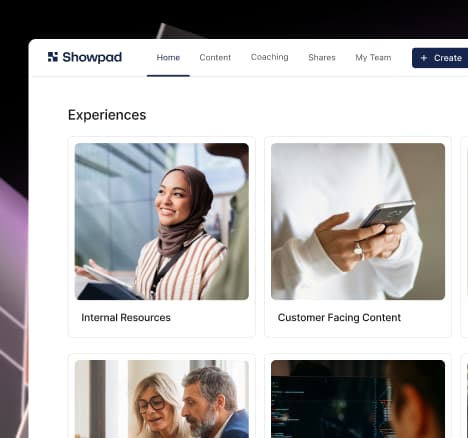
Only after mastering these best practices, should you start to introduce technology to take your results to the next level; maximizing efficiency and insights. This is where a powerful sales enablement platform like Showpad comes in. With the foundational practices in place, Showpad’s AI-driven enablement platform can amplify your reach and engagement, helping you tailor interactions with precision, track stakeholder interest in real-time, and prioritize high-impact activities.
Enhancing sales output with AI-powered tools
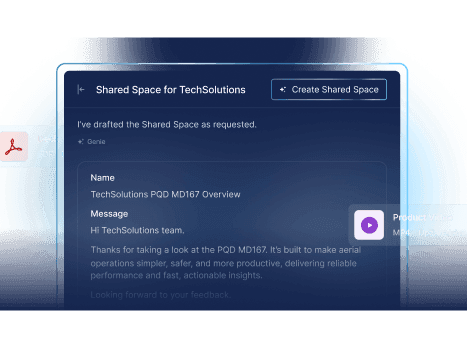
After building strong foundational skills, using AI tools can enhance your efficiency. Platforms like Showpad can amplify your ability to manage and scale stakeholder engagement effectively by using features such as Shared Spaces.
Identify content that resonates
Showpad’s analytics can track what content stakeholders engage with most, enabling you to refine messaging based on their specific interests. For instance, if legal engages with compliance-related documents, prioritize those in follow-ups with that team.
Automate follow-Up reminders and engagement tracking
AI-powered tools like Showpad can set reminders and automatically log engagement data, freeing up time for higher-value activities. With clear insights into stakeholder activity, you can stay proactive in managing relationships, allowing for faster responses and more effective multithreading.
How an enablement tool empowers sellers for faster deals
Showpad centralizes content, tracks engagement, and provides insights that allow sellers to tailor interactions based on stakeholder behavior. By using Showpad, sellers can identify which content resonates most, optimize outreach strategies, and build stronger multithreaded connections. You might be wondering, how does a sales enablement platform improve deal velocity? Sales enablement platforms accelerate deal cycles by automating follow-up reminders, tracking engagement, and optimizing communication with key stakeholders.
This streamlined approach allows sellers to focus on high-impact interactions, reducing delays and speeding up closing times. What is the ROI of a sales enablement platform? Sales enablement platforms increase close rates and shorten sales cycles, directly impacting revenue growth and operational efficiency. These tools allow enterprise sales teams to track metrics and engagement, helping them demonstrate measurable value.
Integrating AI for data-driven sales efficiency
AI tools in Showpad can analyze engagement metrics, helping sellers understand which stakeholders are actively involved and where additional engagement is needed. This data-driven approach enables sellers to prioritize high-potential contacts first and focus on closing deals faster.
Scaling multithreading efforts with technology
AI-enabled tools like Showpad not only help sellers manage multiple stakeholders efficiently but also provide the scalability needed for large enterprise accounts. With insights into each stakeholder’s engagement and preferences, sellers can navigate complex buying processes with greater ease and confidence.
Conclusion and key takeaways
While advanced tools can boost sales performance, success starts with mastering fundamental sales techniques. By adopting multithreading and relationship-building strategies and best practices, sellers create a strong foundation that tools like Showpad can build upon. Through a combination of best practices and strategic technology use, sellers can navigate enterprise deals more effectively and close deals faster.
Keep every thread alive
Shared Spaces give your deals a single workspace to align every stakeholder.

Frequently asked questions
Multithreading is a technique where sellers engage multiple stakeholders within a target account to maintain momentum and increase the likelihood of closing a deal.
Enterprise sales typically involve multiple decision-makers, so multithreading helps ensure that sellers connect with various influencers across departments, reducing reliance on a single champion.
While foundational techniques are essential, AI-powered tools can enhance and scale these efforts, helping sellers close deals more efficiently.
Showpad centralizes content and provides data insights that allow sellers to track stakeholder engagement and tailor communications accordingly.
Key practices include building strong relationships from day one, tailoring messaging, prioritizing stakeholders, and maintaining consistent communication to build trust and momentum.
Sales enablement platforms support multithreading by offering tools like stakeholder mapping, engagement scoring, and automated outreach capabilities. These features enable sellers to engage multiple contacts seamlessly, increasing deal momentum.