









Successful sales enablement hinges upon the seamless alignment of sales, marketing, and enablement teams. We recently sat down with Herwig Evenepoel, Director of Enablement Operations at Hitachi Vantara, to gain insight into the transition from sales to revenue enablement. Our conversation sheds light not only on the strategic decisions, but also on the content and process changes that support Hitachi Vantara’s continued success in today’s dynamic business landscape.
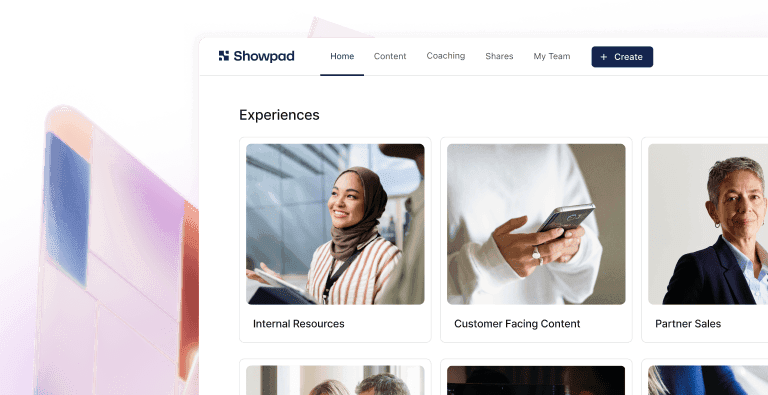
Up until recently, the Hitachi Vantara team was using several separate and disparate enablement tools. The team realized that technology consolidation into a comprehensive, robust enablement solution with Showpad was necessary to achieve their strategic goals. The focus was not just on introducing a new tool, but on orchestrating a paradigm shift in their enablement approach by introducing new content, skills, and behavioral change across different teams.
The goal was clearly defined — to encourage new, more effective behaviors in managers, but also in the technical sales, operations, and marketing teams. This marked the beginning of an important transition, a shift from traditional sales enablement to a more holistic revenue enablement approach.
From multiple tools to one platform — and the cost savings that followed
The strategic move from multiple tools to a single platform resulted in significant cost savings through resource consolidation, while also serving as a pioneering example for Hitachi Vantara’s IT organization. Moving from multiple tools to Showpad was both a technological and strategic choice for Hitachi Vantara. Evenepoel highlighted the positive impact on reducing costs, increasing sales effectiveness and buyer engagement.
“In terms of real conversations and meaningful interactions between buyers and sellers, the focus should be on using technology to support the skills of the salesperson, not replace them.”

Herwig Evenepoel
Director of Enablement Operations at Hitachi Vantara

The unified platform simplified internal processes, and also provided sellers faster access to relevant information. This, in turn, allowed the sales force to spend more time on valuable customer interactions.
However, effective change management and widespread seller adoption greatly influenced a successful implementation. Evenepoel emphasized the crucial role of Showpad’s user-friendly interface in promoting seller usage, which stood in stark contrast to previously under-utilized platforms. The intuitive interface cemented Showpad’s role as a facilitator in day-to-day business.
One platform, one consistent buyer experience
As part of this transformation journey, the enablement platform became the linchpin for creating a unified external voice. This strategic move wasn’t just about centralizing content; it was about creating a frictionless experience and ensuring that the information available externally was consistent with internal communications.
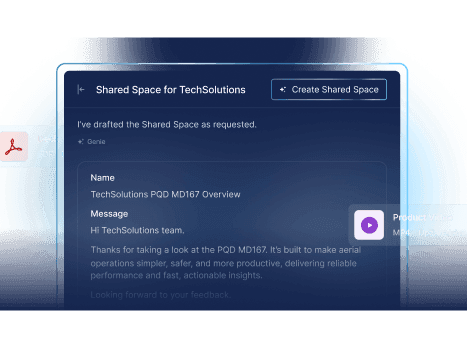
Integrations played a crucial role in this synchronization. Platforms like Showpad and Salesforce became critical to managing the sales process. The focus shifted to precision — getting the right material to the right person at the right time. This was facilitated by the integration of online playbooks and the strategic use of content snippets tailored to different stages of the buying cycle.
“To ensure a seamless experience for the salesperson, we need to build and integrate numerous value-added workflows for the salesperson within a single platform.”
Herwig Evenepoel
Director of Enablement Operations at Hitachi Vantara
Behavior change that sticks
Sales enablement should look beyond the familiar. Success lies not only in the implementation of new tools, but also in the strategic orchestration of behavioral change. This paves the way for sustainable growth and increased effectiveness.
Evenepoel emphasizes the importance of coaching and focusing on digital sales. A focused approach in these areas ensures that sales enablement is not just an obligation, but an opportunity for profound transformation.
Success lies in the ability of teams to actively embrace change. In this context, the focus of sales enablement should go beyond the familiar, with teams proactively shaping and integrating change. This holistic approach is the foundation of a successful sales enablement experience.
“The key lies in managing users effectively and dealing with complex IT integrations. Early and active involvement in management, particularly front-line managers, is essential for successful adoption.”
Herwig Evenepoel
Director of Enablement Operations at Hitachi Vantara
Hitachi Vantara’s road to revenue enablement success with Showpad
Hitachi Vantara’s impressive transformation from traditional sales to holistic revenue enablement with Showpad demonstrates the transformative potential of optimizing alignment between sales, marketing, and enablement teams. The strategic realignment has improved internal processes and positioned the organization to thrive in an ever-changing economic landscape.
As organizations continue to navigate sales enablement, Hitachi Vantara’s journey serves to guide and inspire those embarking on a similar journey. Hitachi Vantara’s success illustrates how technology, content and behavioral change can come together to create a synergy that will drive organizations to unlock their true revenue potential.
Move beyond traditional sales enablement
How AI-native revenue effectiveness is reshaping the way companies operate, sell, and grow.

Frequently asked questions
Sales enablement focuses primarily on equipping sellers with content and training. Revenue enablement takes a broader view — aligning sales, marketing, operations, and enablement teams around shared commercial outcomes. Rather than preparing sellers in isolation, it introduces behavioral change across every team that touches revenue and uses technology to support (not replace) the skills of the salesperson.
When teams rely on multiple disconnected tools, sellers spend more time searching for information than engaging with buyers. A unified platform reduces costs through resource consolidation, gives sellers faster access to the right content, and creates a consistent external voice — so every buyer interaction reflects the same messaging regardless of who’s in the room.
Two things make the biggest difference: an intuitive interface that fits naturally into sellers’ day-to-day workflows, and early, active involvement from front-line managers. Technology alone doesn’t change behavior — coaching, management buy-in, and a focus on digital sales skills are what turn a platform rollout into lasting usage.